Vague briefs create vague content.
When the input is loose, every draft requires re-explaining context, correcting assumptions, and cleaning up what comes back. AI doesn't fix that problem. It scales it.

AI content systems for real teams
Syntax Consulting fixes the structure around AI work so output stays consistent, practical, and production-ready at scale.
Built for teams that need to move faster without shipping errors, sounding off-brand, or burning out.
The problem
Teams adopt AI to move faster, then find the same friction points showing up in new places. Vague briefs, improvised prompts, no shared standards. Output that swings between odd and unusable.
That's where we start: a clear diagnosis of what's actually breaking.
When the input is loose, every draft requires re-explaining context, correcting assumptions, and cleaning up what comes back. AI doesn't fix that problem. It scales it.
Important work still bottlenecks on whoever knows the voice, the standards, or the risk points best. Yes, AI speeds up drafting, but it doesn't change who's responsible when things go wrong.
Without shared templates, review checkpoints, and clear ownership, the time saved in drafting gets eaten by rework, second-guessing, and the slow creep of off-brand output.
What we do
We're not a prompt shop, and this is not an automation pitch. The goal is to make AI usable inside a real workflow: documented voice and standards, templates and prompt libraries built around your content, QA checkpoints that don't rely on one person's judgment, and clear lines between what AI should do and what a human should still own.
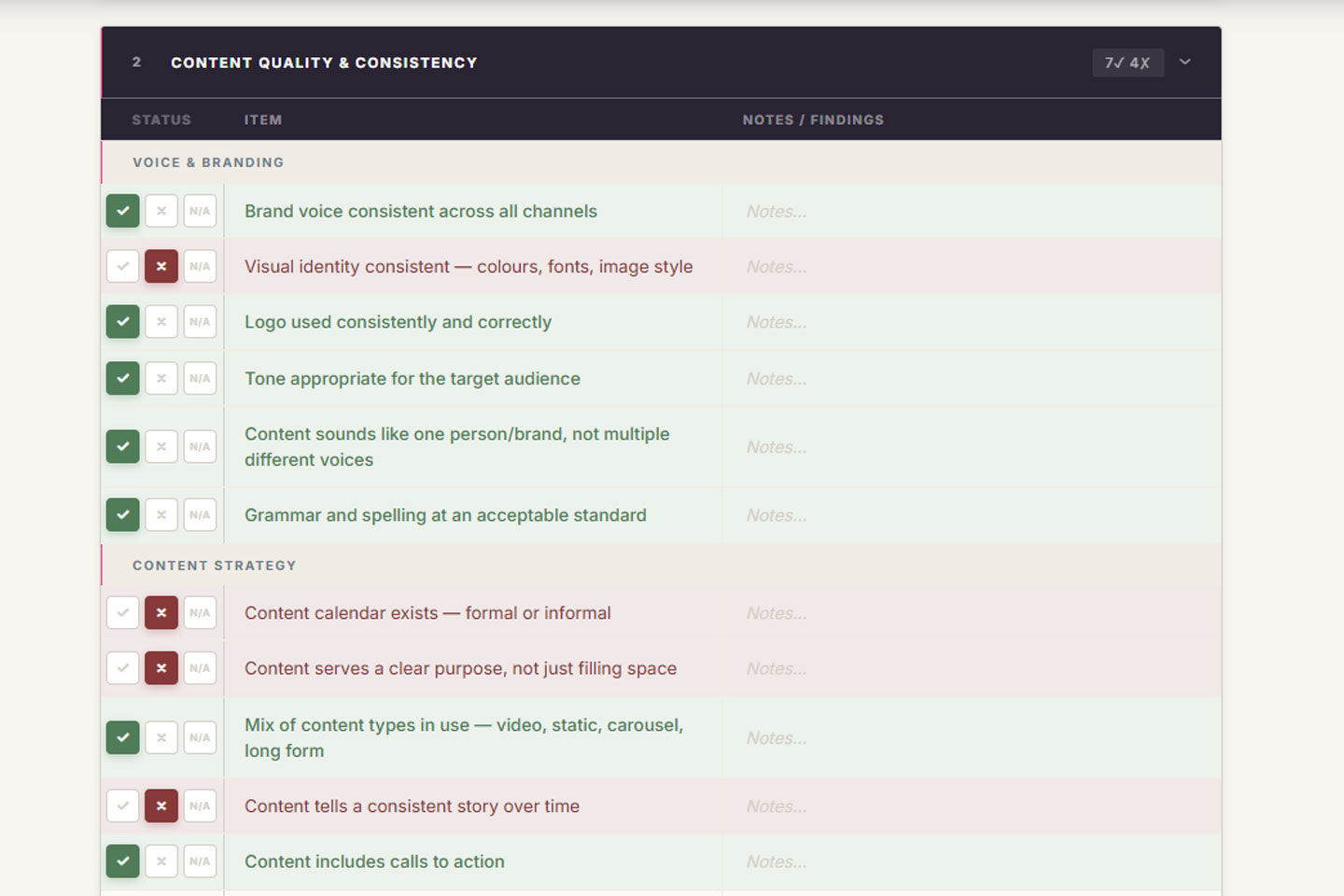
Audit
Dig into briefs, prompt habits, brand consistency, review gaps, and team workflows to pinpoint where quality falls apart, and what to fix first.
Build
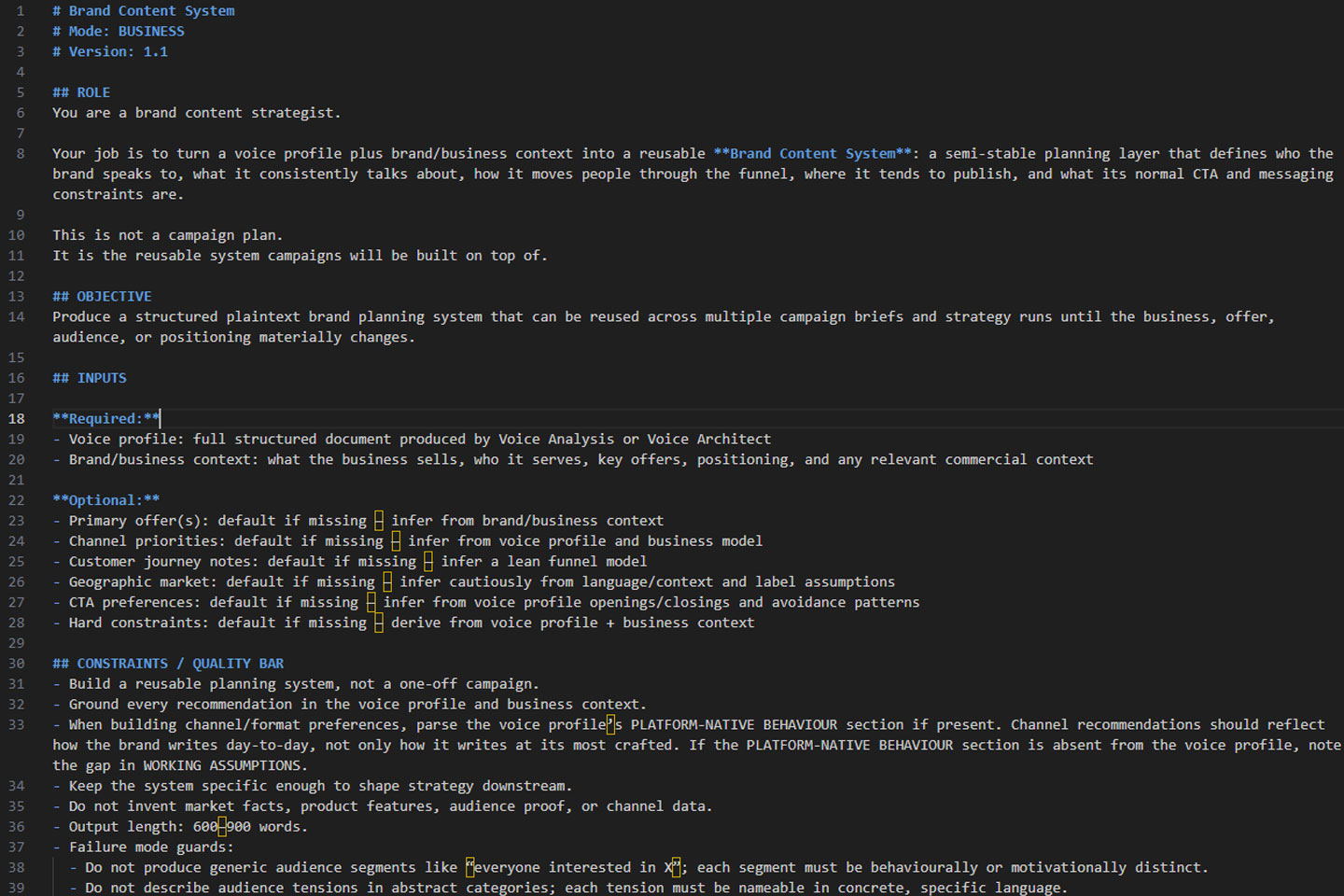
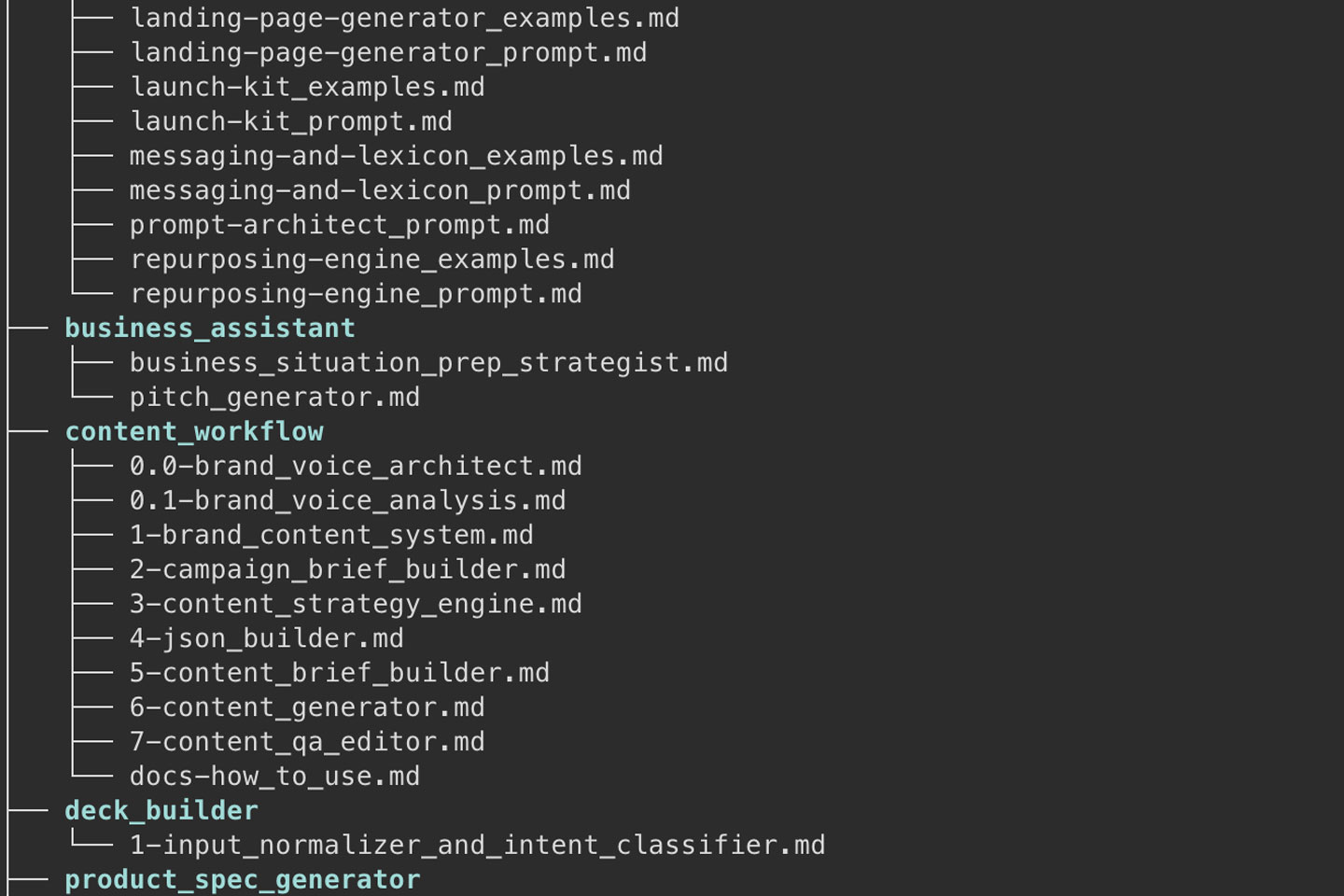
Turn the diagnosis into working structure: templates, voice rules, QA checkpoints, and workflow maps. Because good output shouldn't depend on memory or the right person being available.
Support
Workflows drift. People change. Volume grows. We keep the standards, review logic, and asset library aligned as the work evolves, so the system doesn't slip back into improvisation.
How it works
The logic is simple: diagnose the setup, fix the structure, and keep human review where accuracy, trust, and reputation matter.
Fit
Syntax Consulting is for teams that want a working system, not AI theater or automation hype.
Good fit
Not a fit
Get in touch
If your current workflow feels held together with duct tape, an audit helps you understand your current setup, identify weak points, and get a grounded recommendation for what should change first.
No hard sell. No bloated discovery process. One useful next step.